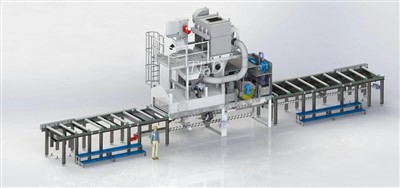
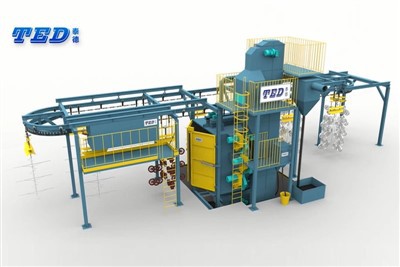
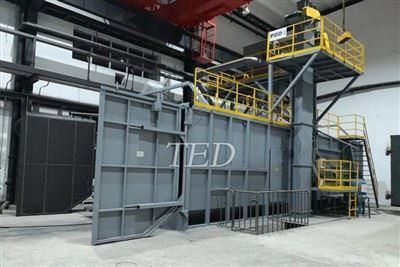
1. Surface Cleaning
Sandblasting machines are commonly used to remove rust, oxide layers, oil stains, and old paint from the surfaces of materials such as metal, wood, and concrete. For example, before fabricating steel structures, sandblasting can thoroughly remove rust and welding slag, improving the quality of subsequent painting or welding.
2. Surface Strengthening
In the machinery manufacturing industry, sandblasting can enhance the fatigue strength, wear resistance, and corrosion resistance of metal parts. For example, automotive engine parts and gears are sandblasted to extend their service life.
3. Surface Polishing and Beautification
Sandblasting can be used to polish the surfaces of materials such as glass, stone, and metal, creating a matte or frosted finish. For example, mobile phone glass panels and stainless steel decorative items often use sandblasting to enhance their texture.
4. Improving Coating Adhesion
Before spraying, electroplating, or bonding, sandblasting can increase the surface roughness of the material, ensuring a stronger adhesion of the coating or glue. For example, car exteriors are often sandblasted before painting to ensure a long-lasting, non-flaking finish.
5. Mold and Precision Parts Processing
Sandblasting can precisely remove tiny burrs from mold surfaces, improving the machining accuracy of precision parts. For example, injection molds and stamping dies are often fine-tuned using sandblasting.